



PAR1
Protease-activated receptor 1 (PAR1) is a proteolytically activated GPCR that links thrombin or PAR1-selective agonist stimulation to cellular signaling programs in platelets, neurons, astrocytes, fibroblasts, endothelial cells, and kidney cells[1][2][3]. Mechanistically, PAR1 couples to Gq/11, Gi/o, and G12/13 pathways, while discrete residues in its second intracellular loop selectively control Gq/11-dependent inositol phosphate and calcium signaling[4]. In neurons, PAR1 activation drives 2-arachidonoylglycerol retrograde signaling, activates presynaptic CB1 receptors, and suppresses inhibitory synaptic transmission[2]. In inflammatory and injury models, thrombin-PAR1 signaling promotes astrocyte proliferation, reverses stellation, inhibits migration, and activates MAPK/NFκB inflammatory responses after spinal cord injury[1]. PAR1 also contributes to tissue remodeling, because thrombin and the PAR1 agonist TFLLR stimulate fibroblast-mediated collagen gel contraction through PAR1 and PKC-ε[3]. Compared with PAR4, PAR1 in human platelets shows homologous desensitization, whereas PAR4 signaling can restore PAR1-dependent aggregation through PKC-mediated granule release[5]. For experimental applications, PAR1 agonists such as TFLLR or SFLLRN model receptor activation, while inhibitors such as dabigatran, SCH79797, and PZ-128 help dissect thrombin cleavage, receptor signaling, platelet biology, and vascular disease mechanisms[6][7][8].
References:
- [1]. Chen X, et al. Thrombin induces morphological and inflammatory astrocytic responses via activation of PAR1 receptor. Cell Death Discov. 2022 Apr 11;8(1):189. [Content Brief]
- [2]. Hashimotodani Y, et al. Neuronal protease-activated receptor 1 drives synaptic retrograde signaling mediated by the endocannabinoid 2-arachidonoylglycerol. J Neurosci. 2011 Feb 23;31(8):3104-9. [Content Brief]
- [3]. Fang Q, et al. Thrombin induces collagen gel contraction partially through PAR1 activation and PKC-epsilon. Eur Respir J. 2004 Dec;24(6):918-24. [Content Brief]
- [4]. McCoy KL, et al. Protease-activated receptor 1 (PAR1) coupling to G(q/11) but not to G(i/o) or G(12/13) is mediated by discrete amino acids within the receptor second intracellular loop. Cell Signal. 2012 Jun;24(6):1351-60. [Content Brief]
- [5]. Fälker K, et al. Protease-activated receptor 1 (PAR1) signalling desensitization is counteracted via PAR4 signalling in human platelets. Biochem J. 2011 Jun 1;436(2):469-80. [Content Brief]
- [6]. Chen B, et al. Characterization of thrombin-bound dabigatran effects on protease-activated receptor-1 expression and signaling in vitro. Mol Pharmacol. 2015 Jul;88(1):95-105. [Content Brief]
- [7]. Di Serio C, et al. Protease-activated receptor 1-selective antagonist SCH79797 inhibits cell proliferation and induces apoptosis by a protease-activated receptor 1-independent mechanism. Basic Clin Pharmacol Toxicol. 2007 Jul;101(1):63-9. [Content Brief]
- [8]. Kuliopulos A, et al. PAR1 (Protease-Activated Receptor 1) Pepducin Therapy Targeting Myocardial Necrosis in Coronary Artery Disease and Acute Coronary Syndrome Patients Undergoing Cardiac Catheterization: A Randomized, Placebo-Controlled, Phase 2 Study. Arterioscler Thromb Vasc Biol. 2020 Dec;40(12):2990-3003. [Content Brief]
-
PAR1 Related Products (33)
Related Products (33)

- 1
- 2
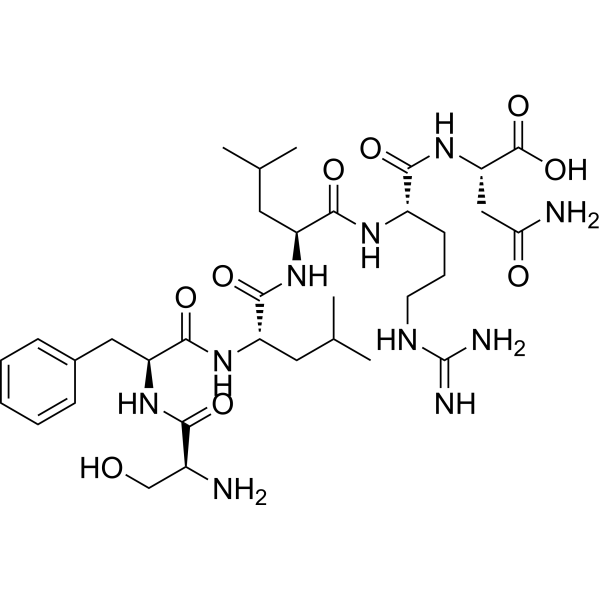
-
Vorapaxar
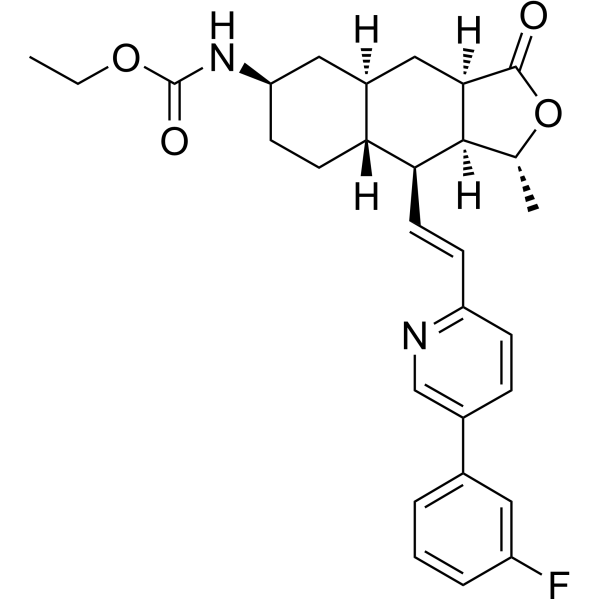 0 ImagesSynonyms: SCH 530348Vorapaxar (SCH 530348), an antiplatelet agent, is a selective, orally active, and competitive thrombin receptor protease-activated receptor (PAR-1) antagonist (Ki=8.1 nM). Vorapaxar (SCH 530348) inhibits thrombin receptor-activating peptide (TRAP)-induced platelet aggregation in a dose-dependent manner.
-
BMS-986120
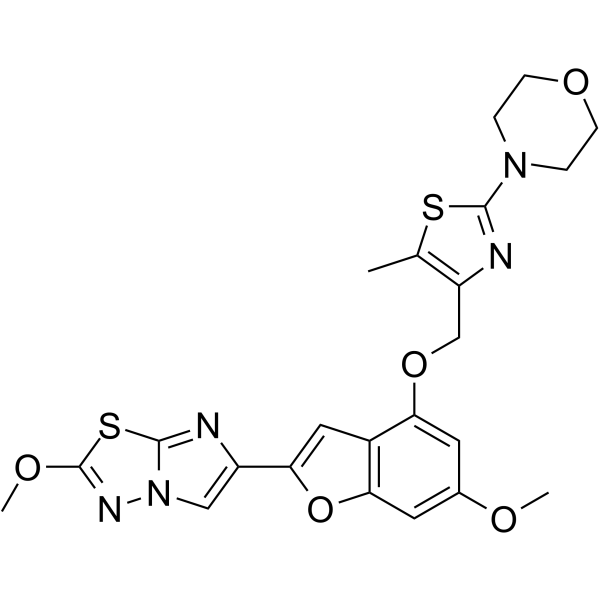 0 ImagesBMS-986120 is a first-in-class oral and reversible protease-activated receptor 4 (PAR4) antagonist, with IC50s of 9.5 nM and 2.1 nM in human and monkey blood, respectively. BMS-986120 has potent and selective antiplatelet effects.
-
PPACK TFA
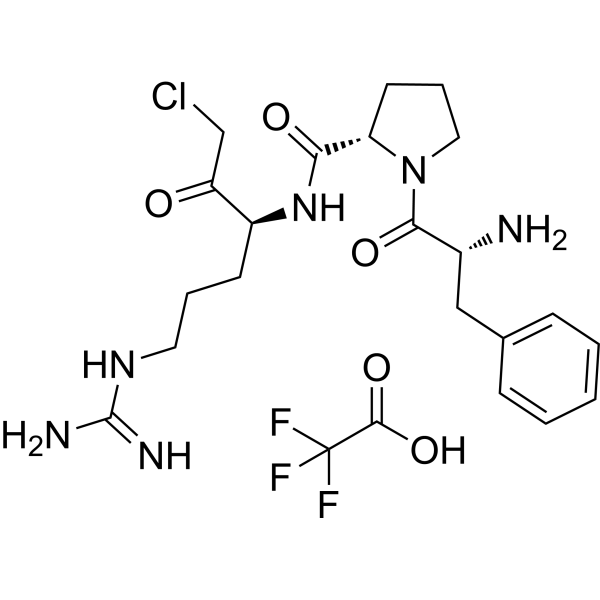 0 ImagesPPACK TFA is a potent, peptidic inhibitor targeting thrombin and granzyme GZMK. PPACK TFA specifically blocks the activities of thrombin and GZMK, thereby inhibiting thrombin-mediated PAR-1 cleavage, as well as downstream inflammatory and procoagulant signaling pathways. Through stabilizing IκB proteins, blocking NF-κB activation and reducing systemic levels of proinflammatory/procoagulant biomarkers, PPACK TFA exerts multiple effects including anti-inflammatory, antithrombotic, barrier repair, and inhibition of atherosclerotic plaque progression. PPACK TFA binds to platelets without interference from kininogen, effectively limiting acute thrombus growth and reducing eosinophil infiltration and goblet cell hyperplasia in asthma models. PPACK TFA is an important tool molecule for investigating the mechanisms of atherosclerosis, asthma and related thromboinflammatory diseases.
-
SCH79797
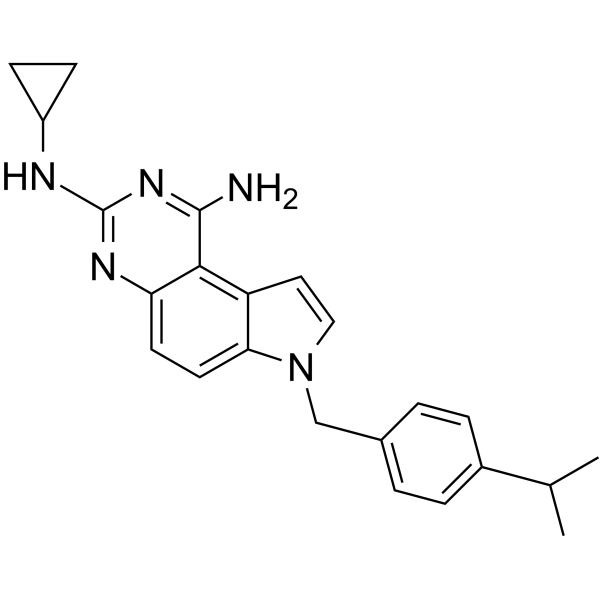 0 ImagesSCH79797 is a highly potent, selective nonpeptide protease activated receptor 1 (PAR1) antagonist. SCH79797 inhibits binding of a high-affinity thrombin receptor-activating peptide to PAR1 with an IC50 of 70 nM and a Ki of 35 nM. SCH79797 inhibits thrombin-induced platelet aggregation with an IC50 of 3 μM. SCH79797 has antiproliferative and pro-apoptotic effects, and limits myocardial ischemia/reperfusion injury in rat hearts. SCH79797 also potently prevents PAR1 activation in vascular smooth muscle cells, endothelial cells, and astrocytes.
-
RWJ-58259
 0 ImagesCat. No.: HY-182573CAS No.: 315203-31-7RWJ-58259 is a selective PAR-1 inhibitor with an IC50 value of 0.15 μM. RWJ-58259 binds selectively to PAR-1, blocks the binding of tethered ligands, interferes with calcium mobilization and PAR-1-related cellular functions, and exhibits no PAR-1 agonist activity or thrombin proteolytic inhibitory activity. RWJ-58259 inhibits thrombin-induced platelet aggregation, calcium signaling and vascular smooth muscle cell proliferation, reduces neointimal thickness and arterial stenosis, and alleviates vascular occlusion and platelet deposition. RWJ-58259 can be used in the research of thrombotic diseases and vascular injury associated with acute coronary intervention.
-
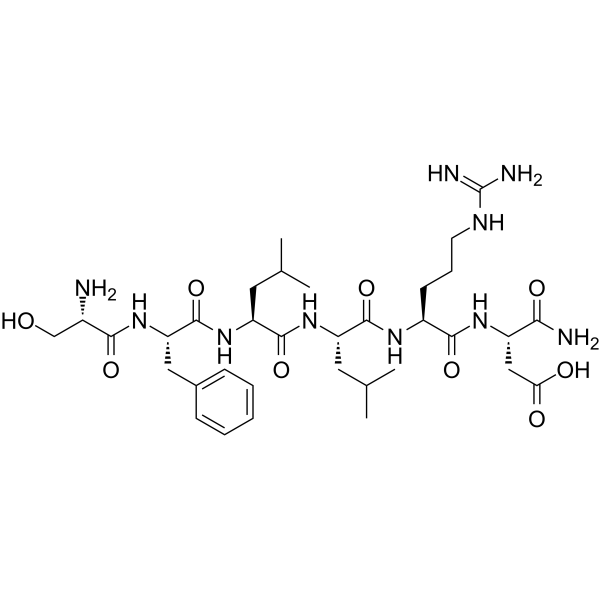
TRAP-6 amide TFA
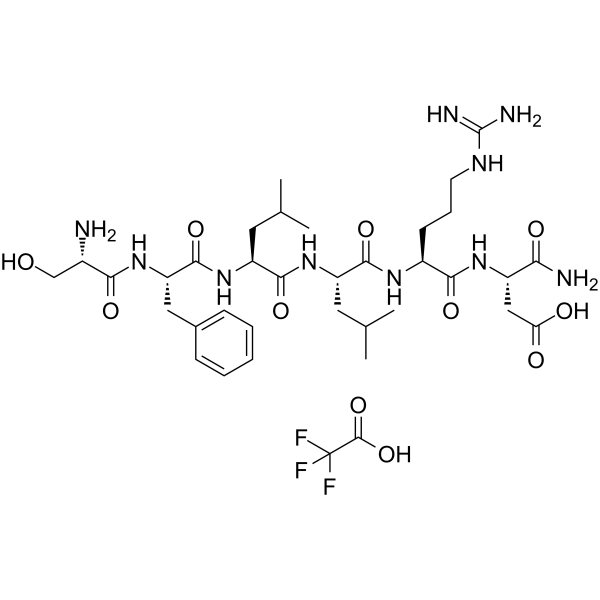 0 ImagesCat. No.: HY-P2321ACAS No.: 1426807-16-0TRAP-6 amide TFA is a PAR-1 thrombin receptor agonist peptide.
-
Parmodulin 2
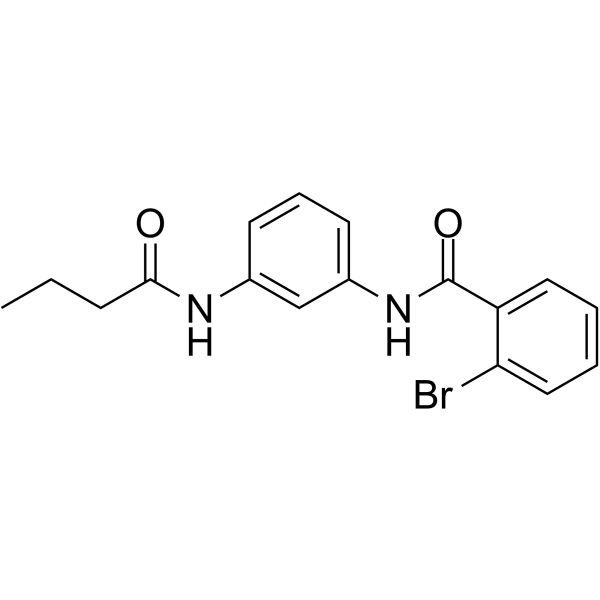 0 ImagesSynonyms: ML161Parmodulin 2 (ML161) is an allosteric inhibitor of protease-activated receptor 1 (PAR1) with an IC50 of 0.26 μM. Parmodulin 2 is a potent and non-competitive inhibitor of SFLLRN-induced P-selectin expression leading to inhibition of platelet aggregation in vitro and platelet thrombus formation in vivo.
-
PZ-128
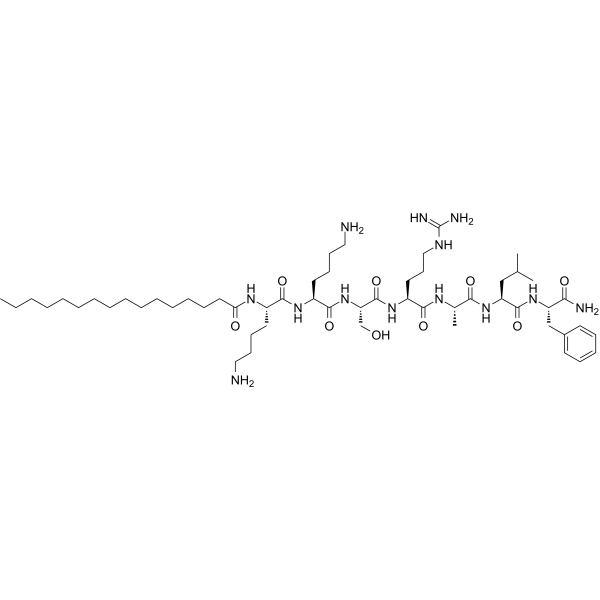 0 ImagesSynonyms: P1pal-7PZ-128 (P1pal-7), a cell-penetrating lipopeptide pepducin, is a first-in-class, specific and reversible protease-activated receptor-1 (PAR1) antagonist. PZ-128 targets the cytoplasmic surface of PAR1 and interrupts signaling to internally-located G (PAR1-G) proteins. PZ-128 has antiplatelet, anti-metastatic, anti-angiogenic and anticancer effects.
-
Atopaxar
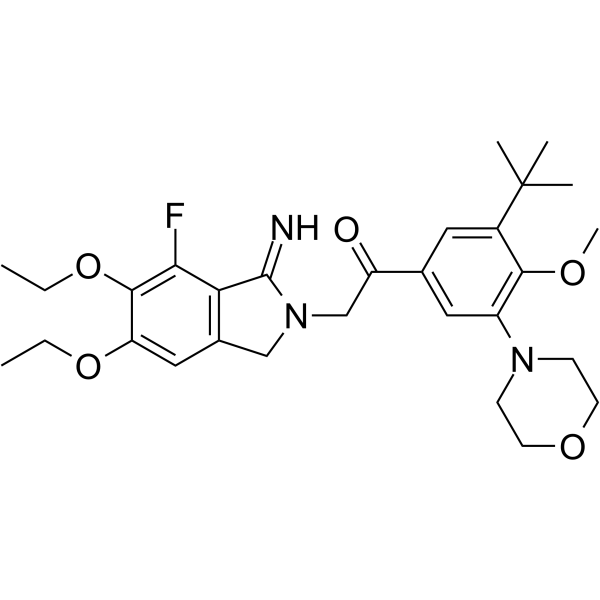 0 ImagesSynonyms: E5555; ER-172594-00Atopaxar (E5555) is a potent, orally active, selective and reversible thrombin receptor protease-activated receptor-1 (PAR-1) antagonist. Atopaxar, an antiplatelet agent, interferes with platelet signaling. Atopaxar can be used for the research of atherothrombotic disease.
-
PPACK dihydrochloride
 0 ImagesSynonyms: Pebac; D-Phenylalanyl-prolyl-arginyl Chloromethyl Ketone; D-Phe-Pro-Arg-CH2ClPPACK dihydrochloride is a potent, peptidic inhibitor targeting thrombin and granzyme GZMK. PPACK dihydrochloride specifically blocks the activities of thrombin and GZMK, thereby inhibiting thrombin-mediated PAR-1 cleavage, as well as downstream inflammatory and procoagulant signaling pathways. Through stabilizing IκB proteins, blocking NF-κB activation and reducing systemic levels of proinflammatory/procoagulant biomarkers, PPACK dihydrochloride exerts multiple effects including anti-inflammatory, antithrombotic, barrier repair, and inhibition of atherosclerotic plaque progression. PPACK dihydrochloride binds to platelets without interference from kininogen, effectively limiting acute thrombus growth and reducing eosinophil infiltration and goblet cell hyperplasia in asthma models. PPACK dihydrochloride is an important tool molecule for investigating the mechanisms of atherosclerosis, asthma and related thromboinflammatory diseases.
-
Vorapaxar sulfate
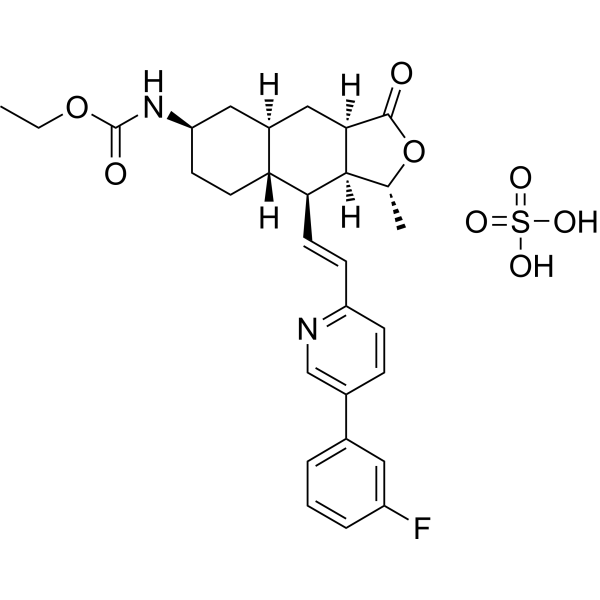 0 ImagesSynonyms: SCH 530348 sulfateVorapaxar sulfate (SCH 530348 sulfate), an antiplatelet agent, is a selective, orally active, and competitive thrombin receptor protease-activated receptor (PAR-1) antagonist (Ki=8.1 nM). Vorapaxar sulfate inhibits thrombin receptor-activating peptide (TRAP)-induced platelet aggregation in a dose-dependent manner.
-
SCH79797 dihydrochloride
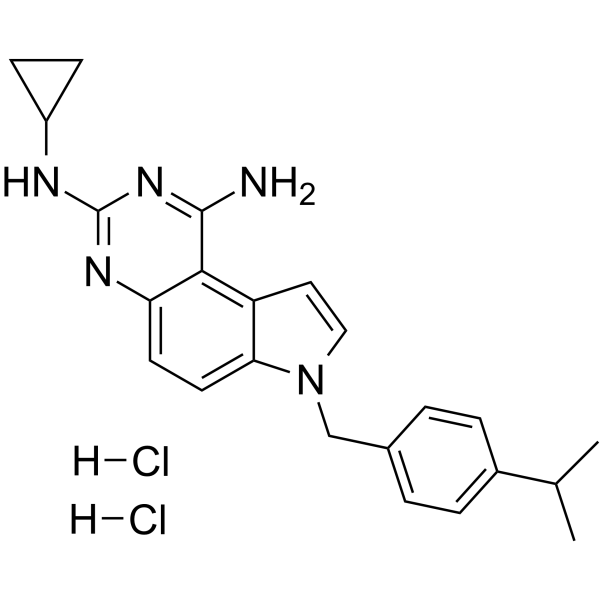 0 ImagesSCH79797 dihydrochloride is a highly potent, selective nonpeptide protease activated receptor 1 (PAR1) antagonist. SCH79797 dihydrochloride inhibits binding of a high-affinity thrombin receptor-activating peptide to PAR1 with an IC50 of 70 nM and a Ki of 35 nM. SCH79797 dihydrochloride inhibits thrombin-induced platelet aggregation with an IC50 of 3 μM. SCH79797 dihydrochloride has antiproliferative and pro-apoptotic effects, and limits myocardial ischemia/reperfusion injury in rat hearts. SCH79797 dihydrochloride also potently prevents PAR1 activation in vascular smooth muscle cells, endothelial cells, and astrocytes.
-
RWJ-56110 dihydrochloride
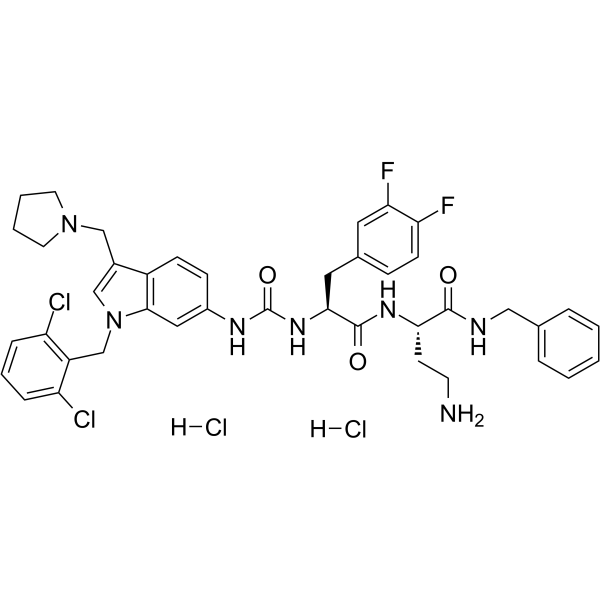 0 ImagesRWJ-56110 dihydrochloride is a potent, selective, peptide-mimetic inhibitor of PAR-1 activation and internalization (binding IC50=0.44 uM) and shows no effect on PAR-2, PAR-3, or PAR-4. RWJ-56110 dihydrochloride inhibits the aggregation of human platelets induced by both SFLLRN-NH2 (IC50=0.16 μM) and thrombin (IC50=0.34 μM), quite selective relative to U46619 (HY-108566). RWJ-56110 dihydrochloride blocks angiogenesis and blocks the formation of new vessels in vivo. RWJ-56110 dihydrochloride induces cell apoptosis.
-
iso-TRAP-6
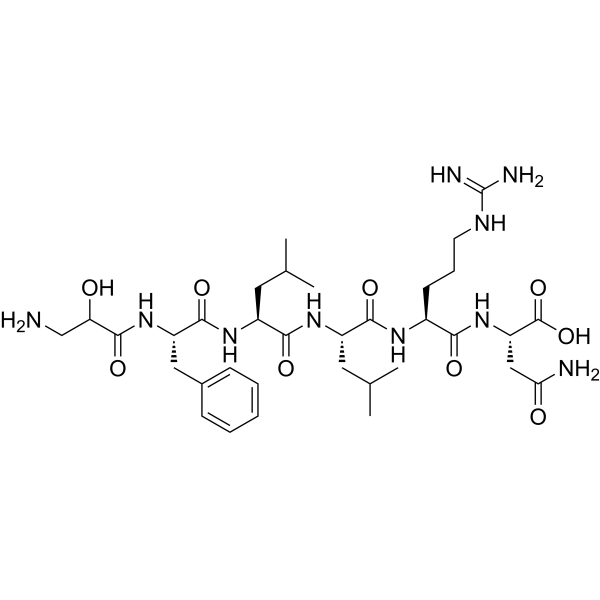 0 ImagesSynonyms: iso-SFLLRN
- 1
- 2



